











What Is Tummy Time and Why Is It Important for Babies?
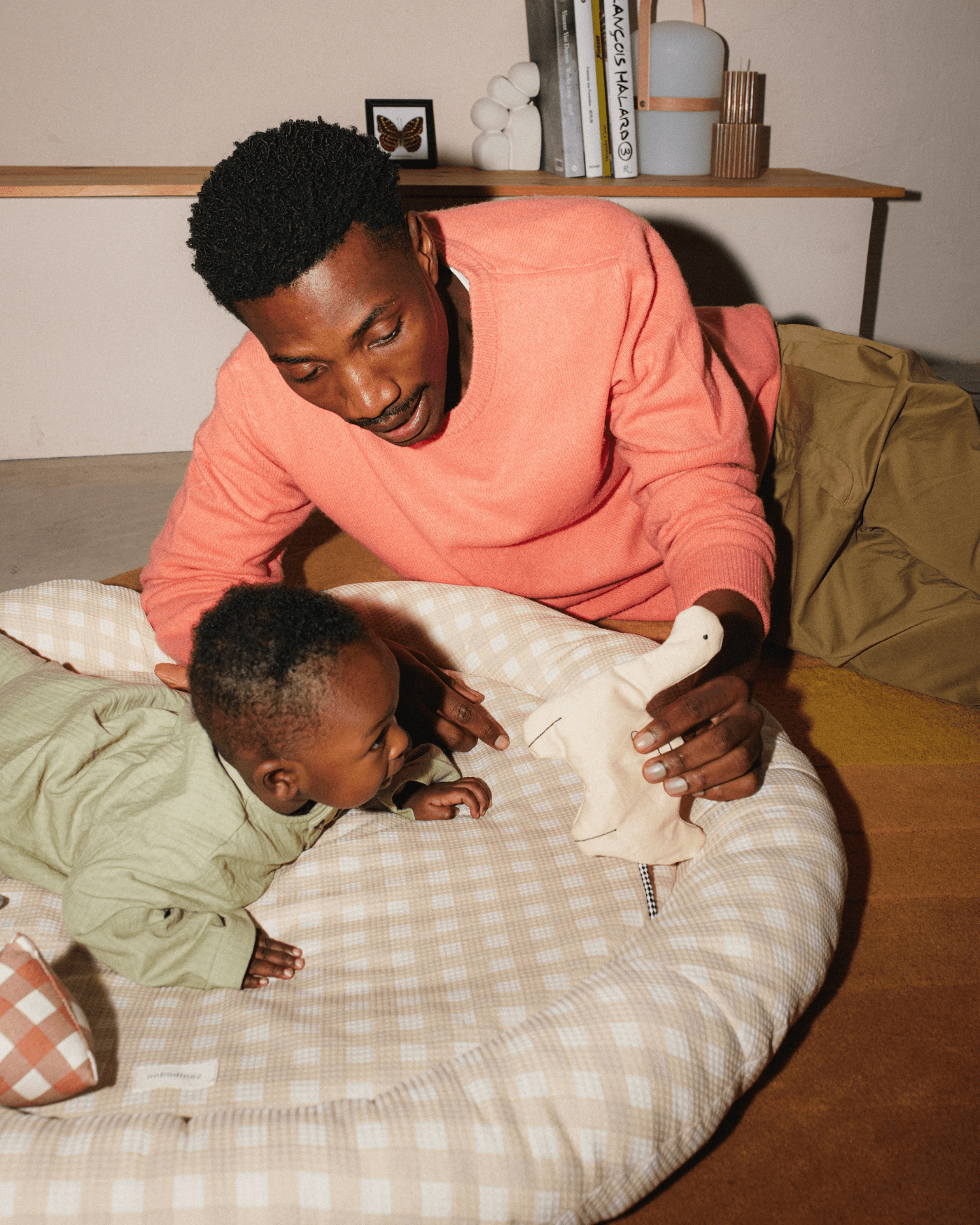
tummy time means placing your baby on their tummy while they are awake and you are watching. it helps build the neck, shoulder and back strength your baby needs to roll, sit and crawl.
why tummy time matters
- strength: lifting the head and pushing up with the arms works the neck, shoulders and core.
- less pressure on the back of the head: time off the back gives the head a break, which can help prevent flat spots.
- a new view: on their tummy, babies see the world from another angle, which keeps them curious.
- first steps to moving: regular tummy time prepares rolling, crawling and sitting.
when to start and how long
ask your midwife or pediatrician when your baby can start. begin with a few minutes at a time, several times a day, and build up as your baby gets stronger. the World Health Organization (WHO) recommends that babies who are not yet moving around spend at least 30 minutes a day on their tummy, spread across the day while awake.
how to do tummy time safely
- start small: 1 to 2 minutes, then a little longer each time.
- stay with your baby the whole time, and only while your baby is awake.
- choose a clean, firm surface such as a play mat or a blanket on the floor, never a soft mattress or cushion.
- make it fun: put a toy or a baby mirror in front of your baby, and talk or sing to them.
- if your baby protests, try tummy time on your chest or across your lap first.
common questions
my baby doesn't like tummy time. what can I do?
that is common at the start. keep sessions very short, get down to your baby's eye level and try again later in the day.
when is my baby ready?
your midwife or pediatrician knows your baby's development and can tell you when to start and how long.
what you need
a washable play mat and a few toys at eye level are enough. explore our play mats and baby toys and rattles.